SaaS 2.0: You're not buying software anymore
The next generation of enterprise SaaS doesn't sell you a tool, it sells you the outcome. Here's why that shift changes everything, especially in identity governance.

Dave Begun
CEO and Co-Founder of Klyro
Published on
May 5, 2026
Read Time
5 minutes
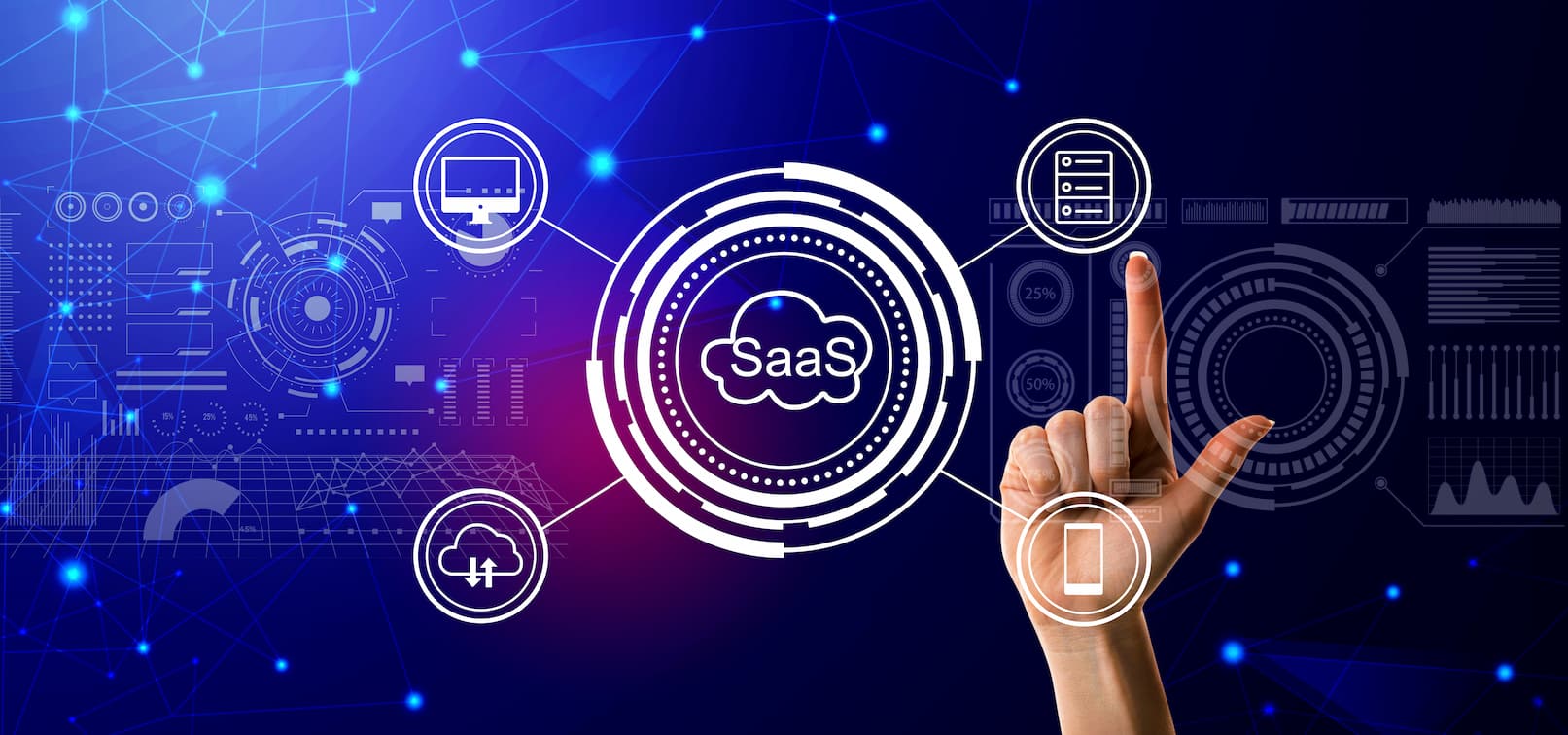
Every enterprise has a graveyard of "powerful platforms" that required six months of professional services, a dedicated admin, and still broke on every major update. The software was never the bottleneck. The expertise required to run it was.
SaaS 1.0 was a revolution: it moved software off-premise, slashed upfront costs, and made enterprise capabilities accessible. But it came with a hidden contract, one that said you are responsible for configuration, maintenance, expertise, and continuity. The vendor provides the rails. You hire the train drivers.
SaaS 2.0 rewrites that contract entirely.
The hidden cost of SaaS 1.0
Look at any enterprise identity governance IGA) deployment and you'll find a familiar story: a powerful platform, a costly systems integrator engagement, months of configuration, and a fragile connector layer that breaks every time a vendor updates their API. The software did what it was sold to do. The operational burden landed on the customer.
This isn't an IGA-specific problem. It's the fundamental tension of first-generation SaaS. Software scales beautifully. Human expertise -the knowledge required to 1 Blog 2: Saas 2.0configure, tune, and maintain that software- doesn't. It's expensive, scarce, and walks out the door.
"The question SaaS 2.0 asks is simple: what if the software just did the work? Not assisted. Not enabled. Actually did it."
What SaaS 2.0 actually means
The term gets used loosely, so let's be precise. SaaS 2.0 is not a rebrand. It's a structural shift in the value delivery model, made possible by AI reaching production-grade capability. Three things change:
- AI-native execution: The product uses AI to perform work that previously required expert human labor, not to assist a human doing it.
- Outcome as the unit: You're buying a result. 100% connector coverage, zero downtime, full governance; not access to a platform.
- Continuous ownership: The vendor takes responsibility for maintenance, updates, and resilience over the full lifecycle. Not just delivery
These three pillars are inseparable. Pillar one without the others is just automation. Pillar two without the first is still a services firm. All three together create something genuinely new: a productized service that scales like software but delivers like a skilled team.
Why identity governance is the perfect test case
IGA platforms are some of the most integration-heavy software in the enterprise stack. Every application an employee uses HR systems, cloud infrastructure, productivity tools, proprietary internal apps) needs a connector. Each connector requires deep knowledge of that application's schema, access patterns, and entitlement logic. And when any of those applications update their API? Someone has to fix the break before access governance fails silently.
In a SaaS 1.0 world, this is solved by throwing expensive specialists at the problem. A systems integrator builds the connector. A team maintains it. When something breaks at 2am, someone gets paged. The IGA platform itself is rarely the bottleneck, the integration layer is.
This is precisely where SaaS 2.0 changes the math. When AI can research an application's structure, model its entitlements, generate a production-ready connector, validate it against real behavior, and monitor it for breaking changes automatically, the integration layer stops being a constraint and starts being a competitive advantage.
When governance fails silently: what's actually at stake new
The consequences of a broken integration layer aren't always immediate or visible, which makes them more dangerous, not less. When a connector goes stale or a vendor API change goes undetected, governance doesn't fail loudly. It drifts. Access that should have been revoked when an employee changed roles quietly persists. An application that was onboarded eighteen months ago falls out of scope because no one has the bandwidth to rebuild the broken connector. Entitlement data becomes stale, certification campaigns run on incomplete information, and auditors start asking questions your team can't answer cleanly.
Consider a mid-market financial services firm running an enterprise IGA platform with forty-plus connectors. A SaaS vendor (one of hundreds in the stack) pushes a breaking API change in a quarterly update. The connector silently stops syncing. For six weeks, access reviews for that application run on cached data. New joiners get provisioned. Leavers aren't deprovisioned. When the issue is discovered during a compliance audit, the remediation involves a manual access review across hundreds of accounts, an emergency re-engagement of the original SI, and a findings letter from the auditorю.
That scenario plays out, in some variation, in enterprises everywhere. Not because their IGA platform failed. Because the integration layer (the part no SaaS 1.0 vendor ever owned) was no one's job to keep alive.
The buyer shift this creates
For enterprise buyers, SaaS 2.0 demands a different evaluation lens. The question is no longer "how capable is the platform?" but "how much of my problem does the vendor actually own?" A vendor who delivers outcomes takes on accountability that a traditional SaaS company never did. Their incentive structure aligns with yours: they only win when the outcome is working.
This changes procurement conversations, success metrics, and vendor relationships at a fundamental level. It also raises the bar for what "support" means. In SaaS 1.0, support meant help tickets. In SaaS 2.0, support is proactive; the vendor knows before you do that something needs to change, and they handle it.
What good actually looks like new
The gap between SaaS 1.0 and SaaS 2.0 isn't abstract. It shows up in concrete, measurable ways. Here's what to benchmark against when evaluating whether a vendor is genuinely operating on a SaaS 2.0 model, or just marketing one:
- Connector coverage is measured, not estimated. A SaaS 2.0 vendor can tell you exactly which applications are connected, which are in scope, and what the current health status is. Everything in real time. Not "we support 200 connectors." More like "here are your 47 connectors, and three have a pending vendor update that we're already handling."
- Vendor API changes are their problem, not yours. Breaking changes should be flagged and resolved before they hit production. If a vendor's answer to "what happens when Workday updates their API?" is a support ticket SLA, that's SaaS 1.0 with a chatbot layer on top.
- Time-to-production is weeks, not quarters. If onboarding a new connector still requires a professional services engagement and a project plan, the AI is decorative. SaaS 2.0 means the modeling, configuration, and validation happen in the product; not alongside it.
- Your team gets smaller, not larger. One of the clearest signals of a SaaS 2.0 deployment is that the internal headcount required to run the integration layer goes down over time. If it's going up, the vendor hasn't shifted the work, they've just given you better tools to do it yourself.
What to look for in a SaaS 2.0 vendor
Not every company calling itself AI-powered is operating on the SaaS 2.0 model. The signal is in their service architecture. Ask: does the vendor take responsibility 4 Blog 2: Saas 2.0for ongoing maintenance, or do they hand it off post-implementation? Is the AI doing the work, or assisting a human consultant doing the work? Is the pricing tied to outcomes delivered, or to seats and licenses?
The vendors who answer those questions confidently, who can say "we own the outcome end-to-end", are the ones building on the SaaS 2.0 model. They're rarer than the marketing suggests, but they exist. And in high-stakes domains like identity governance, the difference between tool-access and outcome-delivery isn't academic. It's the difference between IGA that works at 100% coverage and IGA that works in theory.
"The best technology you can buy is the kind you never have to think about. SaaS 2.0 is the industry finally delivering on that promise."
The shift from SaaS 1.0 to 2.0 won't happen overnight across the industry. But in the domains where integration complexity, expertise scarcity, and outcome stakes are highest (identity governance among them) it's already happening. The companies that recognize it early will stop paying for tools and start paying for results.
Latest Blog Posts
Fresh perspectives, product updates, and real-world use cases from our team.


.jpg)